Emergencies
Key Broken Off in the Lock? What to Do Next
A key has snapped in your lock. What not to do, why keys break, how a locksmith extracts the piece, and how to stop it happening again on your Hornsby home.
· 7 min read · By Locksmith Hornsby Service
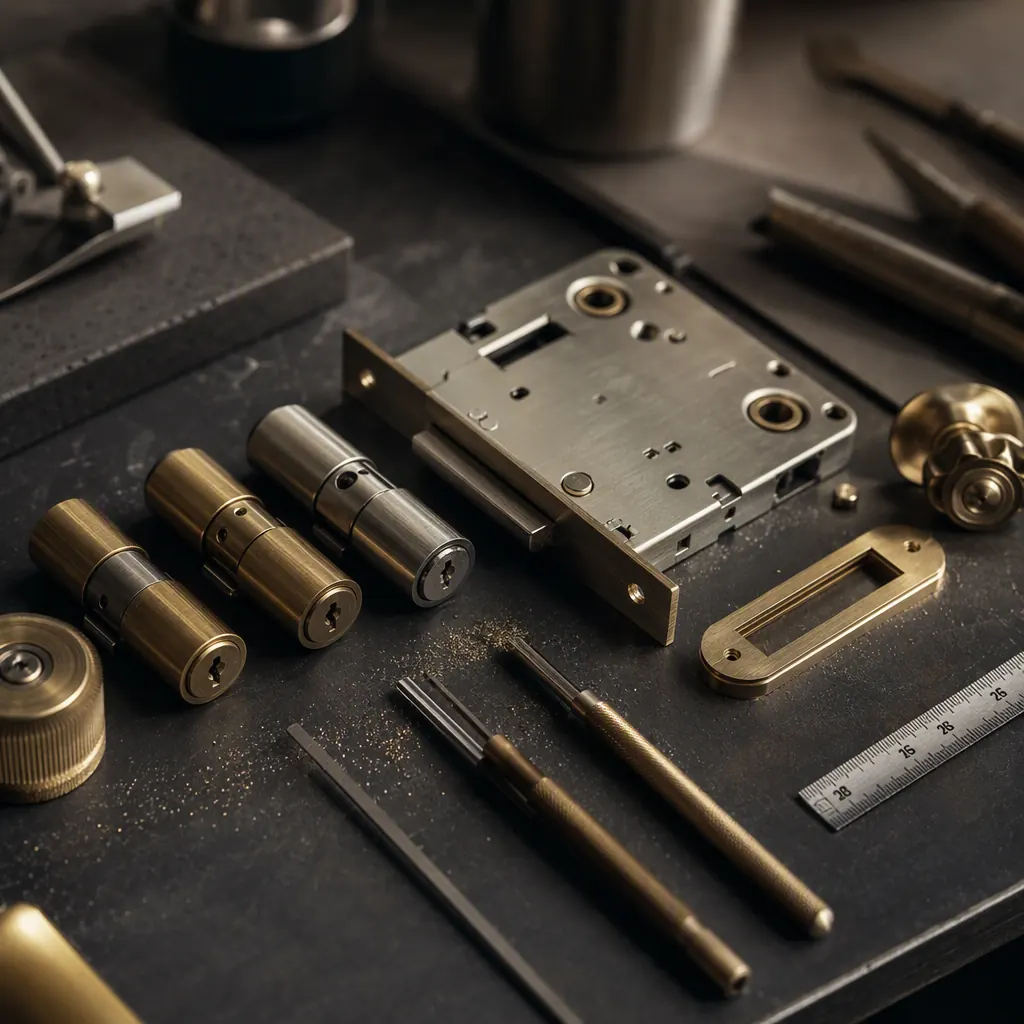
There is a particular sinking feeling when a key twists, gives a small crack and comes away in your hand at half its usual length. The other half is now inside the lock. The door is either locked or unlocked, depending on when it happened, and suddenly a routine moment has become a problem.
A broken key is one of the most common urgent jobs we attend around Hornsby. It is also one of the easiest to make worse. This guide explains what to do in the first few minutes, what not to do, why keys break, how a locksmith removes the broken piece, and how to stop it happening again.
The first few minutes: what to do
Stop turning. If part of the key is still sticking out, do not try to turn the lock with it. You are more likely to break it further or push the fragment deeper.
Work out where the lock is. Is the door locked or unlocked? Are you inside or outside? If you are inside and the door is unlocked, the problem can usually wait until a convenient time. If you are outside and the door is locked, you are effectively locked out.
Keep the broken half. The piece in your hand tells a locksmith a lot. It shows the key type and often how worn it was, and it can help when cutting a replacement.
Check for a spare. If someone else has a working key and the door can be opened from another side, you may be able to wait for a planned visit rather than an urgent one.
Call with the right details. When you call us on 02 4404 0445, tell us the type of lock, whether the door is locked or unlocked, whether you are inside or outside, and how much of the key is still in the cylinder.
What not to do
Almost every difficult broken key job we see has been made difficult by a well-meaning attempt to fix it. Please avoid:
- Tweezers, pliers, paperclips and bobby pins. The fragment is held in place by the pins and springs inside the cylinder. Pulling at it from the front usually pushes it deeper, bends the pins or scratches the keyway.
- Superglue on a matchstick. This is a popular internet suggestion. When it goes wrong, and it often does, the glue sets inside the lock and the cylinder has to be replaced.
- Spraying oil or lubricant into the keyway. It makes the fragment slippery and harder to grip, and household oils attract grime.
- Forcing the door. A locked door with a broken key is a lockout; forcing it risks damaging the door, the frame or the lock body.
If you have already tried one of these, do not worry. Just tell the locksmith what was tried, so they know what to expect.
Why keys break
Keys rarely break for no reason. When we extract a broken key, we almost always find one of these causes.
A worn key. Keys are made of relatively soft metal. After years of daily use, the cuts wear down and the shoulder of the key weakens. A worn key needs more force to turn the lock, which eventually snaps it.
A stiff lock. If you have had to jiggle, lift or lean on the door to turn the key for a while, the lock or the door has been telling you something. Each extra twist puts strain on the key.
A misaligned door. When a door drops on its hinges, the bolt rubs against the strike plate. You compensate by turning harder, and the key takes the load. This is one of the most common hidden causes.
A poorly cut copy. Cheap copies of copies are often slightly off. They work, but only with extra effort.
Using the key as a handle. Pulling a heavy door closed by the key puts sideways force on a part designed only to turn.
How a locksmith removes a broken key
Extracting a broken key is careful, precise work. The general approach is:
- Assess the fragment. How far in is it, which way is it facing, and is the cylinder in the locked or unlocked position?
- Align the cylinder if needed. The plug usually needs to be in its neutral position for the fragment to come out cleanly.
- Extract with purpose-made tools. Thin extractor tools are designed to slide alongside the key blade and grip its cuts without disturbing the pins.
- Check the cylinder. Once the fragment is out, we test whether the cylinder still works smoothly or has been damaged.
- Cut a replacement key. Where the key type allows, a new key is cut, ideally to the original code rather than copied from the worn broken key.
In a small number of cases, usually where glue has been used or the cylinder was already failing, the cylinder has to be removed and replaced. If that is necessary, we explain why and give you the price before going ahead.
We do not publish detailed extraction or lock-opening techniques on this site, because the same information can be misused.
If the door is locked with the fragment inside
When the key breaks in a locked door and you are outside, the job combines a lockout with an extraction. Sometimes extracting the fragment and turning the cylinder is the quickest way in. Other times, opening the door by another method and dealing with the cylinder from inside is better. We decide once we can see the lock, and we explain the plan and the price before starting. Our lockout service page covers the general approach to lockouts.
Should you replace the lock afterwards?
Not necessarily. If the cylinder still works smoothly once the fragment is removed, and the cause was a worn key, a fresh key cut to the original code may be all you need.
Replacement or repair makes sense when:
- the cylinder is worn and stiff, which is what broke the key in the first place;
- the cylinder was damaged during attempts to remove the fragment;
- the door is misaligned and the lock will keep straining keys until it is fixed;
- you have wanted a better lock anyway.
If the lock was stiff for a while before the key broke, fixing that is the real job. Often it is the door, not the lock. Adjusting the strike plate or refixing the hinges stops the strain, as explained on our lock repair page. Where the cylinder itself is worn out, see our lock replacement service.
Rekeying after a broken key
A broken key is also a reminder to think about how many keys exist and where they are. If the broken key was a copy, other copies may be just as worn. If you have been meaning to get all of your locks onto one key, or you are not sure who else holds a copy, this is a good moment to rekey. Our lock rekeying page explains how it works.
Broken keys in business premises
Shopfront and office locks are used far more often than home locks, so keys and cylinders wear faster. A key snapping in a shop door at closing time is a classic urgent call. If you run a business, consider:
- replacing worn staff keys with fresh keys cut to code;
- having high-use cylinders serviced periodically;
- keeping a spare key accessible to a second key holder.
Our commercial locksmith page explains how we help Hornsby businesses keep their doors working.
How to stop it happening again
- Replace worn keys. If the cuts look rounded or the key feels loose in the lock, have a fresh key cut, ideally from the original code.
- Fix stiff locks early. A lock that needs effort is not normal. A service or adjustment costs far less than an extraction.
- Check your door alignment. If you have to lift or push the door to lock it, the door needs attention.
- Lubricate properly. Use a dry graphite or lock-specific lubricant sparingly, not household oil.
- Do not use the key as a handle. Pull the door closed by the handle, then lock it.
- Keep a spare. A second working key with someone nearby turns a crisis into an inconvenience.
Common questions
Can I still use the lock with part of a key inside? If the fragment is fully inside and the lock is unlocked, it may still work with the handle, but you will not be able to lock it. Have it extracted before you need to lock the door.
Will extraction damage my lock? Done carefully with the right tools, usually not. Damage is more often caused by earlier attempts with household tools.
Can you cut a new key from the broken pieces? Often, yes, if both halves are available and not too worn. A key cut to the original code is better where possible.
Why did my new key copy break so quickly? Copies made from an already worn key inherit its wear, and cheap blanks are softer. A key cut to the lock's original code from a quality blank lasts far longer.
Is a broken key a sign of a security problem? Not usually. It is a sign of wear. But if the lock was stiff because someone tried to force it, that is worth checking, and our security locksmith service can look at the whole door.
Keys for padlocks, gates and windows
Keys do not only break in front doors. Padlock keys, gate keys and small window lock keys are often thinner and break more easily, particularly when locks have been left outside and corroded. The same rules apply: do not force them, keep the broken piece and call for help. For outdoor locks, a corrosion-resistant replacement is often the better long-term answer.
Need help now?
Call Locksmith Hornsby Service on 02 4404 0445, 7 days, 7:00am to 12:00am. We are based at 14 Hunter St, Hornsby NSW 2077, and we will tell you when we can attend and what the job is likely to cost before we start. For anything that is not urgent, you can send a request through our contact page. See also our emergency locksmith service.
- broken key
- key extraction
- emergency locksmith
- lock repair
Talk to a Hornsby locksmith
Call 02 4404 0445 (open 7 days, 7:00am – 12:00am) or request a quote online.