Emergencies
Emergency Locksmith Hornsby: Lockout Service Guide
Locked out in Hornsby? What to do first, what to tell the locksmith, what proof you need and how a careful lockout is opened without damaging your door.
· 8 min read · By Locksmith Hornsby Service
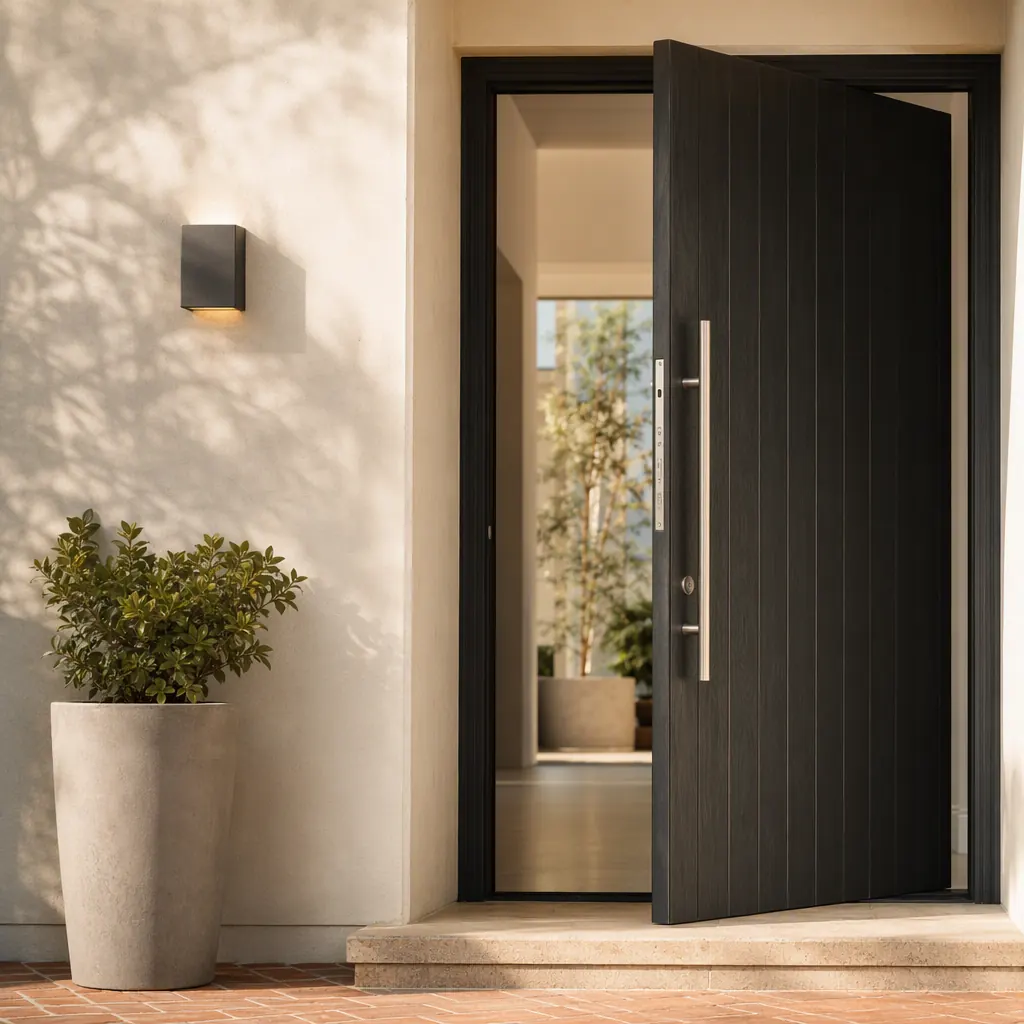
Being locked out is one of those problems that feels enormous in the moment and simple in hindsight. The door has closed, the keys are on the kitchen bench, and it is getting dark. Or the key has snapped in the deadlock on your way out to work. Or a shop door will not lock at the end of trade with the day's stock inside.
This guide is written for that moment. It explains what to do first, what to tell a locksmith when you call, what proof of ownership you will need, how a careful lockout is actually opened, and what happens afterwards. It is written from the lockouts we attend around Hornsby, Waitara, Wahroonga, Asquith, Normanhurst and Berowra.
One honest note before we start: Locksmith Hornsby Service operates 7 days, 7:00am to 12:00am. We are not a 24/7 service and we do not claim to be. Within those hours, we will always tell you on the call when we can realistically attend.
Step one: stop, and check the easy options
Before you call anyone, take two minutes to check the simple things. They solve more lockouts than you might expect.
- Is anyone else home or nearby with a key? A partner, housemate, family member, neighbour or agent may hold a spare.
- Is there another unlocked door? Back doors, laundry doors and sliding doors are sometimes left unlocked. Only use doors you can open normally; do not force anything.
- Is the "lock" actually a latch? If the door simply pulled shut on a spring latch and a deadlock was not used, it is still a lockout, but usually a quicker one.
- Is there a key safe or hidden spare? If you have one, now is the time.
What not to do: do not try to force the door, break a window, or use tools on the lock. Improvised methods often damage the door, the frame or the lock, and turn a straightforward lockout into a repair job. A key snapped by forcing it is one of the most common reasons a lockout becomes more expensive.
Step two: tell the locksmith the right details
The more accurately you describe the situation, the better the locksmith can plan the job and the more accurate the price. When you call us on 02 4404 0445, these are the things we ask:
- Where are you? Suburb and street.
- What kind of property? House, unit, townhouse, shop or office.
- What does the lock look like? A knob or lever only, a lever with a separate lock above it, a rim lock on the inside, a sliding door, or a security screen door in front.
- Was the key used to lock it? A deadlock that was locked with a key is a different job from a latch that simply closed.
- Where are the keys? Inside, lost, stolen, or broken in the lock.
- Is anyone or anything urgent inside? A child, a pet, medication or an oven left on changes the priority, and we need to know.
If you can, take a photo of the lock from outside. It often tells us more than a description.
Step three: be ready to show you are entitled to enter
Any reputable locksmith will ask for reasonable proof that you are entitled to enter the property before, or immediately after, opening the door. This protects you. A locksmith who will open any door for anyone is a locksmith who will open yours for someone else.
Useful proof includes:
- photo ID showing the address;
- a lease or tenancy agreement;
- a rates notice, utility bill or insurance document;
- confirmation from your agent or building manager.
If your documents are locked inside, that is fine and very common. We open the door and check them inside before leaving. If entitlement cannot be reasonably confirmed, we will not proceed.
How a careful lockout is opened
The method depends entirely on the hardware, which is why we ask so many questions on the phone.
Spring latches. A door held only by a spring latch can often be opened quickly without damage.
Deadlatches. These self-locking latches resist simple bypass when they are correctly fitted. They usually need more time, but are commonly opened without damage.
Key-locked deadlocks. When a deadbolt has been thrown with a key, it cannot be slipped. These take more skill and time. Non-destructive methods are tried first.
Failed or damaged cylinders. If a cylinder has failed internally or a key has broken off inside, extraction or, as a last resort, drilling and replacing the cylinder may be needed.
Drilling is never our first option. If it becomes necessary, we explain why before we start and tell you what a replacement cylinder will cost, so you can decide. We do not publish lock-opening methods on this website, because that information helps the wrong people.
Lockouts in units and apartments
Apartment lockouts are particularly common around Hornsby and Waitara, where many unit doors close and latch automatically. A few points are worth knowing:
- Two doors, two responsibilities. We open your own unit door. Building entry doors, car park doors and intercoms are usually common property belonging to the owners corporation, and access to those is arranged through the building or strata manager.
- Fire-rated hardware. Many unit doors are fire doors, with hardware designed to let you out without a key. That affects how a lockout is approached and what can be fitted afterwards.
- Building rules. Some buildings restrict what locks can be fitted to unit doors. We work within those rules.
Business lockouts
A shop or office that will not open or lock is an operational problem as well as a security one. Staff wait, deliveries back up and customers go elsewhere. When you call about a business lockout, let us know the type of door (aluminium shopfront, glass door, steel personnel door or roller door) and whether there is an alarm to consider. We will need to confirm you are authorised to access the premises. Our commercial locksmith service explains how we work with businesses.
After the door is open
Getting inside is the first goal, but not always the last. Once you are in, we check that the lock still works properly. Three things commonly come up:
- The keys were lost or stolen. If the keys could be linked to your address, rekeying the lock makes them useless. It is usually done on the same visit. See our lock rekeying service.
- The lock caused the lockout. A sticky cylinder or a latch that sometimes fails will do it again. We will explain what we found and give you a price to fix it. See lock repair.
- The door is damaged. If someone has forced the door before you arrived, we make it as secure as possible and explain what further work is needed.
You decide whether to do any of this now, later or not at all. We do not pressure people into new hardware on the doorstep.
How to avoid the next lockout
- Leave a spare key with someone you trust who lives nearby.
- Consider a quality key safe if your situation suits one.
- Get into the habit of checking for keys before pulling a self-locking door shut.
- Fix a sticky lock early. A lock that needs jiggling is warning you.
- Save our number: 02 4404 0445.
If you keep getting locked out by a self-locking door, our guide Deadlock vs Deadlatch explains alternatives that do not lock automatically.
Broken keys: a special case
A key that snaps in the lock is one of the most common urgent calls we get, and one of the easiest to make worse. Keys usually break because they are worn, because the lock has been stiff for a while, or because someone has turned the key with too much force.
If it happens to you:
- Do not try to pull the piece out with tweezers, pliers or a paperclip. It usually pushes the fragment deeper and can damage the pins.
- Do not try to turn the lock with the remaining half of the key.
- Do not spray oil or glue into the keyway. Glue in particular turns a simple extraction into a cylinder replacement.
- Keep the broken half. It helps us cut a new key, and it shows how worn the original key was.
We extract the fragment with purpose-made tools, check the cylinder still operates correctly and cut a replacement key where the key type allows. If the lock was stiff before the key broke, that is the real problem, and we will explain how to fix it so it does not happen again.
Lockouts with something urgent inside
Some lockouts are more than an inconvenience. A child or a pet locked inside, medication you need, a cooktop or heater left on, or water running all change the priority of the job. Tell us straight away when you call, so we can make the right decision about how quickly we can help.
If anyone inside is in danger, or there is a risk of fire, call 000 first. Emergency services can force entry far faster than any locksmith, and safety matters more than the door.
What a lockout typically involves, start to finish
To give you a realistic picture, here is how a typical house lockout in Hornsby runs:
- You call and describe the door, lock and situation. We tell you when we can realistically attend and give you a likely price range.
- We arrive, confirm the situation and look at the hardware.
- We agree the method and price with you.
- We open the door, using non-destructive methods first.
- We check your proof of entitlement, if we could not do so before entry.
- We test the lock, explain anything we noticed, and issue an invoice.
Most of that time is spent on assessment and explanation. That is deliberate: a careful approach is what keeps a lockout from becoming a door repair.
What we will not do
We will not open a door for anyone who cannot reasonably show they are entitled to enter. We will not promise an arrival time we have not confirmed with you on the call. And we will not claim to be available around the clock, because we are not.
Locked out now?
Call Locksmith Hornsby Service on 02 4404 0445. We are based at 14 Hunter St, Hornsby NSW 2077, open 7 days, 7:00am to 12:00am. Read more on our emergency locksmith and lockout service pages, or send a request online if it is not urgent.
- emergency locksmith
- lockout
- Hornsby
- locked out
Talk to a Hornsby locksmith
Call 02 4404 0445 (open 7 days, 7:00am – 12:00am) or request a quote online.