Local rules
Landlord & Tenant Lock Change Rules in NSW
Who can change the locks in a NSW rental, when consent is needed, who pays and how keys are handled. A plain guide for Hornsby landlords, agents and tenants.
· 8 min read · By Locksmith Hornsby Service
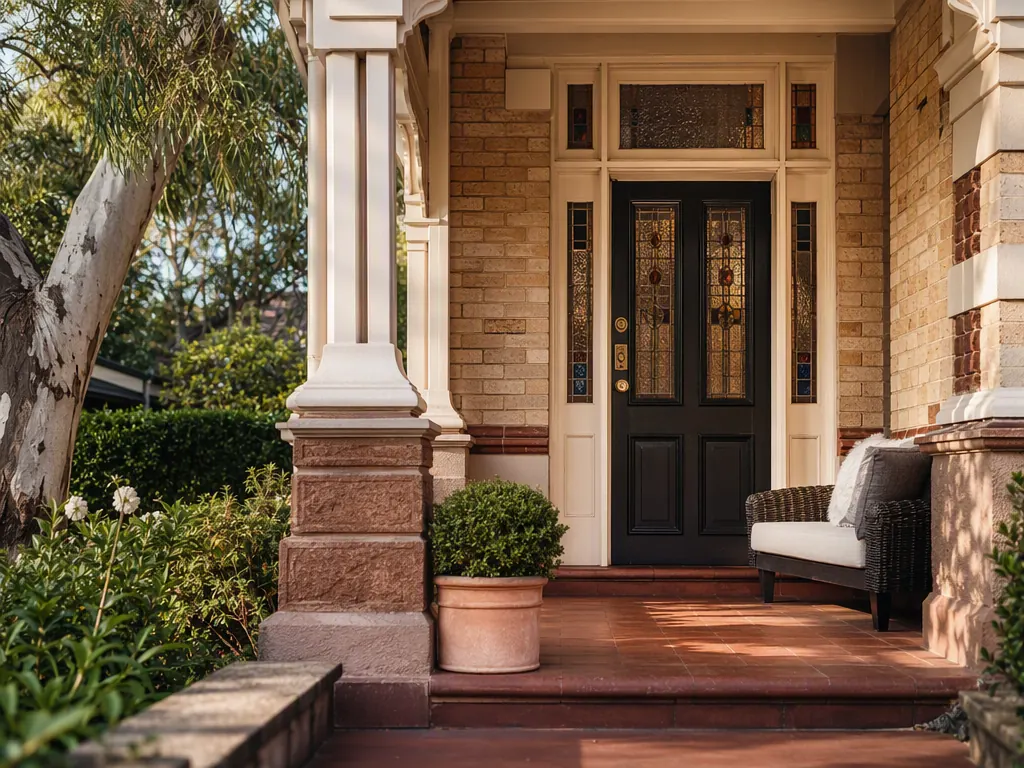
Rental properties make up a large share of homes around Hornsby, Waitara and Asquith, especially the units near the railway line. That means a large share of our lock work involves three parties rather than one: the landlord, the agent and the tenant. Each has rights and responsibilities when it comes to locks and keys, and getting it wrong can cause disputes, delays and, in some cases, breaches of tenancy law.
This guide explains the general position in New South Wales in plain language. It is not legal advice. Tenancy rules are set out in the Residential Tenancies Act 2010 (NSW) and its regulations, and they are updated from time to time. For the current rules that apply to your situation, check NSW Fair Trading's renting information or speak with your agent, a tenants' advice service or a lawyer.
The basic principle: locks are part of the premises
In a residential tenancy, the locks are part of the property the landlord provides. NSW tenancy law requires landlords to provide and maintain locks or other security devices that are necessary to keep the premises reasonably secure. Tenants, in turn, have obligations about not altering or adding locks without following the rules.
The practical result is that neither party should simply change the locks on their own whim. The law sets out when consent is needed, when it is not, and what has to happen with keys afterwards.
When a tenant wants to change or add a lock
In general terms, a tenant in NSW should not alter, remove or add a lock or security device without the landlord's consent, except in specific circumstances set out in the law. A landlord should not unreasonably refuse consent to a reasonable request.
Common situations where tenants ask:
- They have lost keys and are worried someone could identify the property.
- They feel the existing locks are not secure enough.
- A former partner or housemate has a key.
- They want to add a deadlock or window locks.
In most of these situations, the right first step is a short written request to the agent or landlord explaining what you want and why. Once consent is given, the work can go ahead.
Where a lock is changed with consent, the tenant is generally expected to give the landlord a copy of the new key, unless the landlord agrees otherwise or a specific exemption applies.
Domestic violence situations
NSW law includes specific provisions for tenants affected by domestic violence. In certain circumstances, a tenant may be able to change locks without the landlord's prior consent, and there are particular rules about whether keys must be given to a co-tenant who is a perpetrator. These provisions exist to protect people at risk.
If this applies to you, speak with NSW Fair Trading, a tenants' advice service or a domestic violence support service about your rights. When we are called to this kind of job, we treat it with discretion and focus on making the home secure quickly.
When a landlord wants to change the locks
Landlords can change or rekey locks between tenancies; that is standard practice and is one of the most common jobs we do for agents around Hornsby. During a tenancy, however, a landlord should not change the locks in a way that excludes the tenant. Locking a tenant out of their home is not a lawful way to end a tenancy in NSW.
If a landlord needs to repair or replace a lock during a tenancy, for example because it has failed, the tenant must be given a working key for the new or repaired lock.
Who pays?
As a general guide:
- Repairs to existing locks that have worn out or failed are usually the landlord's responsibility, as part of keeping the premises reasonably secure.
- Changes the tenant asks for and the landlord agrees to are often paid for by the tenant, unless the landlord agrees to pay or the lock was not meeting the minimum standard.
- Lockouts caused by a tenant losing keys are typically the tenant's cost.
- Rekeying between tenancies is usually arranged and paid for by the landlord.
The lease, the specific situation and the current law all matter here. When in doubt, agree who is paying in writing before the work is booked.
Rekeying between tenancies
Rekeying between tenancies is one of the simplest ways for landlords to keep a property secure. When a tenant leaves, there is no reliable way to know how many copies of the keys were made over the tenancy. Rekeying makes every one of them useless, at a much lower cost than replacing the locks.
A few tips for owners and agents:
- Key the external locks alike. One key for the front door, back door and screen doors makes handovers simple and reduces lost-key problems.
- Include the mailbox if possible. Many unit mailboxes can be rekeyed at the same time.
- Count and record the keys. Know exactly how many keys exist and who holds them at the start of each tenancy.
- Check the locks while you are there. Worn or sticky locks are best dealt with between tenancies rather than as an urgent repair later.
Our lock rekeying service explains the process, and How Much Does Lock Rekeying Cost in Sydney? covers what affects the price.
Strata buildings and common property
Many rental units around Hornsby station and in Waitara are in strata schemes. In a strata building:
- The unit's front door lock is usually the lot owner's responsibility, though bylaws may restrict what can be fitted, especially on fire-rated doors.
- Building entry doors, car park doors, garbage rooms and intercoms are usually common property, managed by the owners corporation through the strata manager.
That means a tenant locked out of the building, rather than their unit, generally needs to contact the building or strata manager. We can open your own unit door after checking you are entitled to enter, but we do not override building entry systems that belong to the owners corporation.
Lockouts in rental properties
If you are a tenant and you are locked out:
- Try your agent first during business hours. They often hold a spare key.
- If you cannot reach them, call a locksmith. You will need to show reasonable proof that you live there, such as a lease or photo ID with the address.
- If the locksmith has to replace a cylinder, for example because a key broke off inside, tell your agent and arrange for them to receive a copy of the new key.
Our lockout service page explains how we approach rental lockouts.
Minimum security standards
NSW tenancy law sets out expectations that rental properties are reasonably secure, including working locks on external doors and windows where required. If you are a tenant and your locks do not work properly, raise it with your agent in writing as a repair request. If you are a landlord, a periodic check of the external locks, sliding doors and windows is good practice, and is far cheaper than an urgent call-out.
A practical checklist
For landlords and agents
- Rekey external locks between every tenancy.
- Keep a written record of how many keys exist.
- Respond promptly to lock repair requests.
- Agree in writing who pays before any requested change.
For tenants
- Ask in writing before changing or adding locks.
- Give the landlord a copy of any new key unless an exemption applies.
- Report faulty locks as a repair.
- Keep your lease handy in case you need to prove you live there.
Keys at the start and end of a tenancy
Key handling causes more friction between landlords and tenants than the locks themselves. A little organisation at each end of a tenancy avoids most of it.
At the start. The ingoing condition report is a good place to record exactly which keys, fobs and remotes were handed over: front door, back door, screen doors, windows, mailbox, garage, building entry and car park. Tenants should check every key works before signing. If a key is missing or does not work, note it on the report.
During the tenancy. If a tenant has extra keys cut, they should keep track of them and return them all at the end. If a key is lost and the tenant is concerned the property could be identified, they should tell the agent promptly so rekeying can be discussed.
At the end. All keys, including any copies, should be returned. If keys are missing, the landlord may rekey the affected locks, and depending on the lease and the circumstances, the cost may be recoverable. Again, written records make this straightforward.
Smart locks and keypad locks in rentals
Keypad and smart locks are becoming more common, and they raise a few rental-specific questions. Can a tenant install one? Generally only with the landlord's consent, as with any other lock change. Does the landlord need the code? The landlord usually needs a way to access the property in the circumstances the law allows, so a code or override key is typically provided. Should codes be changed between tenancies? Always, just as physical locks should be rekeyed.
If a smart lock is fitted, make sure it still allows a safe exit from inside without a key or code, and that there is a reliable mechanical override if the battery or electronics fail.
Insurance and break-ins
After a break-in at a rental property, both the landlord's insurer and the tenant's contents insurer may want details of how entry was made and what was done to secure the property. Ask your locksmith for an invoice that describes the damage found and the work carried out. Securing the property quickly, with a written record, helps both parties. Our emergency locksmith service can make a forced door secure the same day where the remaining structure allows.
How we help
Locksmith Hornsby Service works with owners, agents and tenants across Hornsby, Waitara, Wahroonga, Asquith, Normanhurst and Berowra. We rekey between tenancies, repair and replace faulty locks, attend rental lockouts and provide clear invoices for agents' records. We also check that the right consent is in place before changing keys on a rented home.
We are based at 14 Hunter St, Hornsby NSW 2077, and open 7 days, 7:00am to 12:00am. Call 02 4404 0445 or request a quote online. Read more on our residential locksmith page.
- NSW tenancy
- landlords
- tenants
- rekeying rentals
Talk to a Hornsby locksmith
Call 02 4404 0445 (open 7 days, 7:00am – 12:00am) or request a quote online.