Comparisons
Rekey or Replace Locks? How to Decide
Rekeying keeps your locks and changes the key; replacing fits new hardware. A plain guide to which one suits your door, budget and situation in Hornsby.
· 7 min read · By Locksmith Hornsby Service
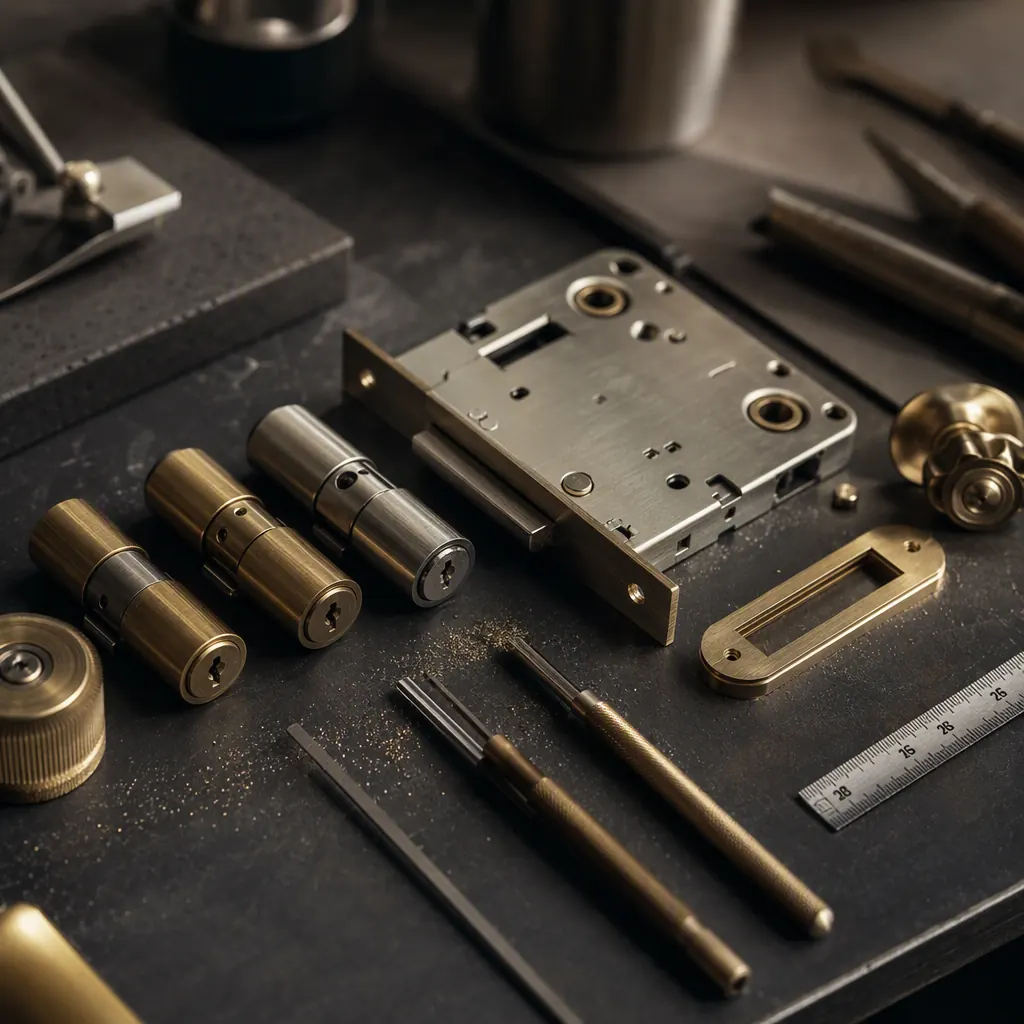
"Should I rekey or replace?" is the question we hear most often from people who have just bought a home, lost a set of keys or had a tenant move out. Both options stop old keys working. Both are legitimate. But they are different jobs, they cost different amounts, and they solve different problems.
The short version is this: rekeying changes the key, replacing changes the lock. If the lock itself is sound and you only want to control who can open it, rekeying is usually enough. If the lock is worn, weak, damaged or simply the wrong type for the door, replacement is the better spend.
The rest of this guide explains how to tell which situation you are in, with the questions we ask on a real job at a Hornsby home.
What each option actually does
Rekeying
Inside most door cylinders is a set of small pins of different lengths. The correct key lifts each pin to exactly the right height so the cylinder can turn. Rekeying means taking the cylinder apart, replacing those pins with a new combination, and cutting new keys to match.
Everything else stays: the lock body, the handle, the deadbolt, the strike plate, the holes in the door. The moment the cylinder is reassembled, every old key becomes useless.
Replacing
Replacing means removing the existing lock and fitting new hardware. That might be the same type of lock in better condition, a stronger lock, a different style, or a lock with features the old one lacked, such as a deadlocking function or a turn knob on the inside.
Replacement can also change the security of the door, something rekeying never does. A rekeyed lock is exactly as strong as it was before. A replacement lock can be stronger.
Five questions that decide it
When we arrive to "change the locks", these are the questions we work through. You can ask yourself the same things before you call.
1. Does the lock work smoothly?
Turn the key slowly. Does it turn cleanly, or does it grind, stick or need jiggling? Does the bolt throw fully every time? A lock that works smoothly is a good rekeying candidate.
If it does not work smoothly, check whether the problem is the lock or the door. A deadlock that only throws when you lift or push the door is usually a door alignment problem, and that can often be fixed by adjusting the strike plate. See our lock repair service for how that works. If the cylinder itself is worn, replacement is usually more reliable.
2. Has the lock been forced or damaged?
If someone has tried to force a door, the lock may be bent, cracked or weakened internally even if it still seems to work. A rekeyed damaged lock is still a damaged lock. After any forced entry, we recommend replacement of the affected hardware and a check of the frame and strike plate. Our security locksmith service covers that kind of assessment.
3. Is the lock good enough for the door?
Some homes, especially older rentals and investment properties, have budget locks that were never designed for a front door. Some back doors have only a simple latch and no deadlock at all. Rekeying either of these just gives you a new key for weak hardware.
If you are not sure what you have, describe it when you call, or send a photo. We will tell you honestly whether it is worth keeping.
4. Can the lock be rekeyed?
Most standard cylinders can be rekeyed. A few cannot be rekeyed economically, including some low-cost products where the cylinder is not designed to be opened. Restricted key systems can usually be rekeyed, but may require authorisation and keys ordered through the system holder. We confirm which category each lock falls into before starting.
5. What are you actually trying to achieve?
This is the most important question. If your goal is "make sure the old keys no longer work", rekeying almost always does the job. If your goal is "make this door harder to break into", rekeying will not help, and you need to look at the lock, the strike, the frame and possibly the door itself.
Situations where rekeying is the right call
- You have just bought or moved into a home and the locks are in good condition. Rekeying every external lock resets the key list at a fraction of the cost of new hardware. Our lock rekeying service explains the process.
- A tenant has moved out. Rekeying between tenancies is quick and cost-effective, and it keeps keys under control. NSW has specific rules for rental properties, covered in our guide to landlord and tenant lock change rules.
- Keys have been lost. If keys could be linked to your address, rekeying makes them useless.
- You want one key for every door. If the locks use compatible cylinders, rekeying them alike is often the simplest way to reduce a handful of keys to one.
- A housemate, partner or employee has left and you cannot be sure every copy was returned.
Situations where replacing is the right call
- The lock is worn out. Grinding, sticking or needing the "right angle" to turn are signs a cylinder is near the end of its life.
- The lock was forced or damaged. Even if it still turns, it may not hold under load.
- The hardware is low quality. A better lock on a solid door is a meaningful security improvement.
- The door needs a different type of lock. For example, adding a deadlock to a back door that only had a latch, or replacing a key-only deadlock with one that allows a safe exit from inside. Our door lock installation service covers adding new hardware.
- The lock cannot be rekeyed sensibly.
Can you do both?
Often, yes. A common outcome after a home purchase is to rekey most of the locks, which are in good condition, and replace one or two that are worn or weak, keying the new ones to match. You end up with a single key for the whole house, sound hardware on every door and a bill that reflects what each door actually needed.
That is the approach we take on most jobs: assess each lock on its own merits rather than applying one answer to every door.
A note on cost
Rekeying is usually cheaper than replacement because it reuses the existing hardware. But "cheaper" is only better if the result does what you need. Rekeying a lock that should have been replaced means paying twice when you eventually replace it. We cover the cost side in more detail in How Much Does Lock Rekeying Cost in Sydney? and Locksmith Costs in Hornsby.
Three real examples from around Hornsby
These examples, based on the kinds of jobs we see regularly, show how the decision plays out in practice.
A brick home in Normanhurst after settlement. The new owners wanted the old keys to stop working. The front deadlock, back door deadlock and two screen door locks were all in good condition and used compatible cylinders. All four were rekeyed to one key. The laundry door had only a passage latch, so a new deadlock was installed and keyed to match. The result was one key for five locks, with only one piece of new hardware.
A unit in Waitara between tenants. The agent requested new locks. On inspection, the unit door lock was a sound mortice lock on a fire-rated door, and replacing it would have meant working around the door's fire rating. Rekeying achieved the agent's goal for far less, and the mailbox was rekeyed at the same time.
A Federation home in Wahroonga after an attempted break-in. The rim deadlatch had been forced and the strike had split out of the frame. Rekeying would have been pointless. The deadlatch was replaced with a quality unit that fitted the existing preparation, the strike was refixed with long screws into the stud, and a deadlock was added to the French doors at the back. The remaining locks were rekeyed to match.
In each case, the right answer came from looking at each door individually rather than applying one rule to the whole house.
Signs your lock is past rekeying
If you are trying to judge your own locks, these signs suggest replacement rather than rekeying:
- visible damage, such as a bent face plate, cracked cylinder or gouges around the keyway;
- a cylinder that wobbles or spins in the door;
- a bolt that will not throw fully even when the door is held perfectly aligned;
- grinding or catching that continues even with a new key;
- a lock so old that parts and keys are no longer available.
If none of these apply, rekeying is very likely to be a good option.
What a good locksmith should tell you
Whoever you call, a good locksmith should be able to explain:
- Which of your locks can be rekeyed and which cannot.
- Which locks are worn, damaged or weak enough to justify replacement.
- Whether your locks can be keyed alike.
- The price for each option, so you can compare.
If you are told every lock needs replacing without a clear reason, ask why. If you are told every lock can be rekeyed even though one is visibly damaged, ask about that too.
Getting advice for your home
The quickest way to an answer is a short phone call. Tell us how many external locks you have, what condition they seem to be in and what you want to achieve. Photos help.
Locksmith Hornsby Service is based at 14 Hunter St, Hornsby NSW 2077, and is open 7 days, 7:00am to 12:00am. Call 02 4404 0445 or request a quote online. We will tell you which locks to rekey, which to replace and what each will cost, before any work begins.
- rekeying
- lock replacement
- comparison
- home security
Talk to a Hornsby locksmith
Call 02 4404 0445 (open 7 days, 7:00am – 12:00am) or request a quote online.