Property types
Commercial Locksmith Guide for Hornsby Businesses
How Hornsby shops, offices and workshops can keep doors working and keys under control: shopfront locks, staff changes, rear doors and planned maintenance.
· 8 min read · By Locksmith Hornsby Service
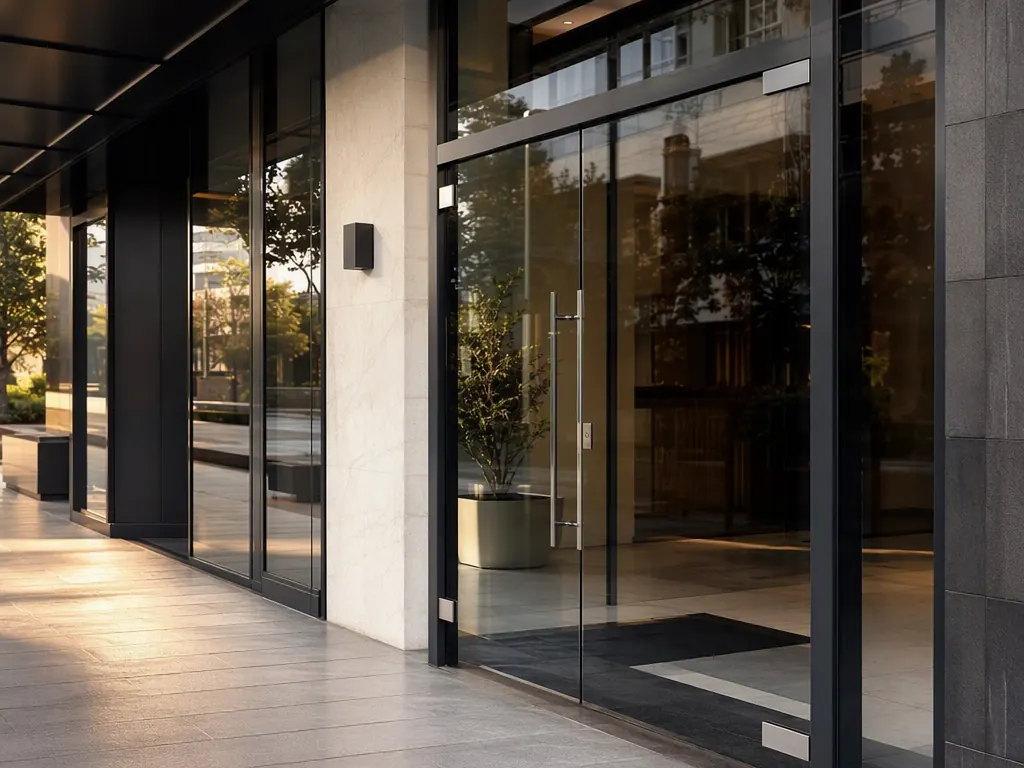
For a business, a lock problem is never just a lock problem. A shopfront that will not open at 8am means staff waiting on the footpath and customers walking past. A rear door that will not lock at close means someone staying late or leaving the premises exposed. A former employee who never returned their key is a question mark hanging over the business every night.
This guide is for the shops, cafés, offices, clinics and workshops around Hornsby and the surrounding suburbs. It explains the hardware businesses typically rely on, how to manage keys as staff change, and how a little planned maintenance prevents most commercial lock emergencies.
The doors a business depends on
Most businesses have more doors than they think about. A typical shop around the Hornsby town centre might have:
- a front entrance, often an aluminium-framed glass door with a narrow-stile lock;
- a rear service door, often steel or solid timber, used for deliveries and bins;
- internal doors to offices, storerooms and staff areas;
- a roller door or shutter;
- cabinets, cash drawers and mailboxes.
Each has its own hardware and its own risks. The front door gets the most use; the rear door often gets the most abuse; internal doors are often forgotten.
Shopfront locks
Aluminium shopfronts with glass doors are everywhere along Hornsby's retail streets and in the light-industrial strip at Asquith. They use narrow-stile locks designed to fit the slim aluminium frame, often with a hook bolt that swings into the frame.
These locks work hard. A busy shop door may be opened hundreds of times a day, and the lock, the cylinder and the door closer all wear. Common problems include:
- a hook bolt that no longer engages because the door has sagged;
- a cylinder that has become stiff or loose;
- a door closer that slams or fails to close the door fully;
- a key that has worn after years of daily use.
When a shopfront lock starts to struggle, it rarely improves. Replacing a worn cylinder or adjusting the door before it fails is far cheaper than a lockout at closing time. Our commercial locksmith page explains how we handle this hardware.
Rear and service doors
Rear doors take a beating from deliveries, trolleys and bins, and they are often in laneways out of public view. That combination makes them a common weak point. Look for:
- deadlocks that are not thrown because staff find them awkward;
- strike plates loosened by repeated impact;
- doors propped open during the day and not fully latched at night;
- old locks on doors that were repurposed from a previous tenant.
A sturdy, properly aligned deadlock that staff can operate easily is far more effective than an expensive lock that nobody uses.
Managing keys as staff change
Every business that issues keys eventually faces the same question: who actually has one? Over time, keys are copied, lent, lost and not returned. Former employees, contractors, cleaners and previous tenants may all hold working keys.
Rekeying
Rekeying changes the internal combination of a lock so existing keys stop working. It is the quickest and most economical way to reset access after a key holder leaves, and it reuses your existing hardware. See lock rekeying.
A simple key hierarchy
Many businesses benefit from an arrangement where a manager key opens several doors while staff keys open only the doors they need. Whether this is possible depends on the existing hardware and cylinders. We explain what your locks can support before suggesting anything.
A key register
A simple written register, recording which keys exist, who holds them and when they were issued, makes it obvious when a rekey is needed. When someone leaves, collect their keys and update the register the same day.
Planned maintenance prevents emergencies
Most commercial lock emergencies follow weeks of warning signs. Locks get stiff, doors start to drag, keys need a jiggle. A short maintenance visit every so often can catch these before they become a lockout or a door that cannot be secured.
A typical maintenance check covers:
- operating every lock and cylinder;
- adjusting door closers and alignment;
- tightening strike plates and fixings;
- lubricating mechanisms properly;
- replacing worn keys with fresh keys cut to code.
For businesses with a lot of foot traffic, this is one of the best-value things you can do.
Scheduling work around trading hours
We know that the worst time to work on a shop door is during trade. Within our hours, 7 days from 7:00am to 12:00am, we schedule commercial work before opening or after close wherever possible. Urgent jobs, such as a door that will not lock at close, are prioritised as best we can, and we will tell you honestly when we can attend.
Cafés, restaurants and food businesses
Hospitality businesses have their own patterns: kitchens with rear doors used constantly, cool rooms and storerooms, liquor storage, and staff working late shifts. Locks on rear doors and storerooms take heavy use, and staff turnover is often high, which makes rekeying a regular need.
Offices and clinics
Offices and medical or allied health clinics often have reception doors, internal doors to consulting rooms and storage for records or medications. Access changes when staff join and leave, and some internal doors need to lock reliably without inconveniencing people inside.
Workshops and light industrial premises
Workshops along the highway in Asquith and similar areas often rely on roller doors and padlocks. A steel personnel door with a proper deadlock is usually a more secure everyday entry, with the roller door kept locked from inside. Quality padlocks with protected shackles are a worthwhile upgrade on gates and cages.
Leasing and fit-outs
If you are moving into a leased premises:
- Rekey on day one. Previous tenants, agents and tradespeople may hold keys.
- Check the lease for who is responsible for locks and whether changes need the landlord's consent.
- Plan hardware into the fit-out rather than adding it at the end.
Signs a commercial door needs attention
Commercial doors usually give plenty of warning before they fail. Watch for:
- the door not closing fully on its own, often a door closer that needs adjusting;
- a hook bolt or deadbolt that needs the door pushed before it will lock;
- keys that stick or need jiggling, especially on high-use front doors;
- a cylinder that moves when the key turns, a sign the fixing has loosened;
- staff leaving a door on the latch because the deadlock is awkward;
- visible damage around the strike on rear doors from trolleys or impacts.
Any one of these is cheaper to fix now than after it causes a lockout or leaves the premises unsecured overnight.
Keys, staff and records
For many small businesses, key control is informal: the owner has a key, the manager has a key, and somebody else had one once. That works until it does not. A few simple habits keep it under control:
- Issue keys deliberately. Only give keys to people who genuinely need them.
- Record every key. A simple register with names, dates and which doors each key opens.
- Collect keys on the last day. Make it part of every staff departure.
- Rekey when in doubt. If a key is not returned, or you cannot account for all copies, rekey the affected locks.
- Review once a year. Check the register against reality.
Combined with a sensible key arrangement, this turns an ongoing worry into a routine task.
Insurance and documentation
Many business insurance policies expect premises to be secured with working locks, and some specify deadlocks on external doors. Check your policy wording. After any lock work, keep the invoice, which describes the hardware and the doors it was fitted to. If you ever need to make a claim, being able to show that doors were properly secured and maintained helps.
Break-ins at business premises
If your business is broken into, the priorities are similar to a home: safety, police, photos and your insurer, then making the premises secure. Shopfronts and rear doors are the usual entry points. We can replace damaged cylinders and locks, refix strikes and make a door secure on the day where the remaining structure allows, and tell you what still needs a glazier or shopfitter. Our guide After a Break-In covers the steps in more detail.
Planning for after-hours problems
Every business should know what happens if a door will not lock at close. Agree in advance who is responsible for calling a locksmith, keep our number with your closing procedure, and make sure at least two people hold keys to every external door. If a door cannot be secured, staff should know not to leave the premises unattended until it is. Within our hours of 7:00am to 12:00am, we will tell you honestly when we can attend.
Choosing hardware for high-use doors
Hardware built for a home will not last long on a shop door opened hundreds of times a day. Commercial-grade cylinders, locks designed for the door's frame profile and a correctly adjusted closer last far longer and fail less often. When we replace commercial hardware, we choose it for the door's actual use, not just its fit.
What we will not do
We will not claim compliance with access control standards or fire regulations we have not verified for your premises. We do not install or alter electronic access control systems we do not service. And we will not open business premises without confirming the person asking is authorised to access them.
A short commercial checklist
- Know how many keys exist and who holds them.
- Rekey when key holders leave without returning keys.
- Have stiff or sagging doors adjusted before they fail.
- Make sure rear doors are deadlocked at close every day.
- Schedule periodic maintenance on high-use doors.
- Keep an emergency contact list that includes your locksmith.
Getting help for your business
Locksmith Hornsby Service is based at 14 Hunter St, Hornsby NSW 2077, and works with businesses across Hornsby, Waitara, Asquith and nearby suburbs. We are open 7 days, 7:00am to 12:00am. Call 02 4404 0445 or request a quote online. You can also read about our lock replacement and emergency locksmith services.
- commercial locksmith
- business security
- shopfront locks
- Hornsby
Talk to a Hornsby locksmith
Call 02 4404 0445 (open 7 days, 7:00am – 12:00am) or request a quote online.