Property types
Apartment Security: Locks for Hornsby Units
How to secure a Hornsby apartment: unit door locks, fire-rated hardware, strata rules, balcony doors and windows, and what you can and cannot change yourself.
· 7 min read · By Locksmith Hornsby Service
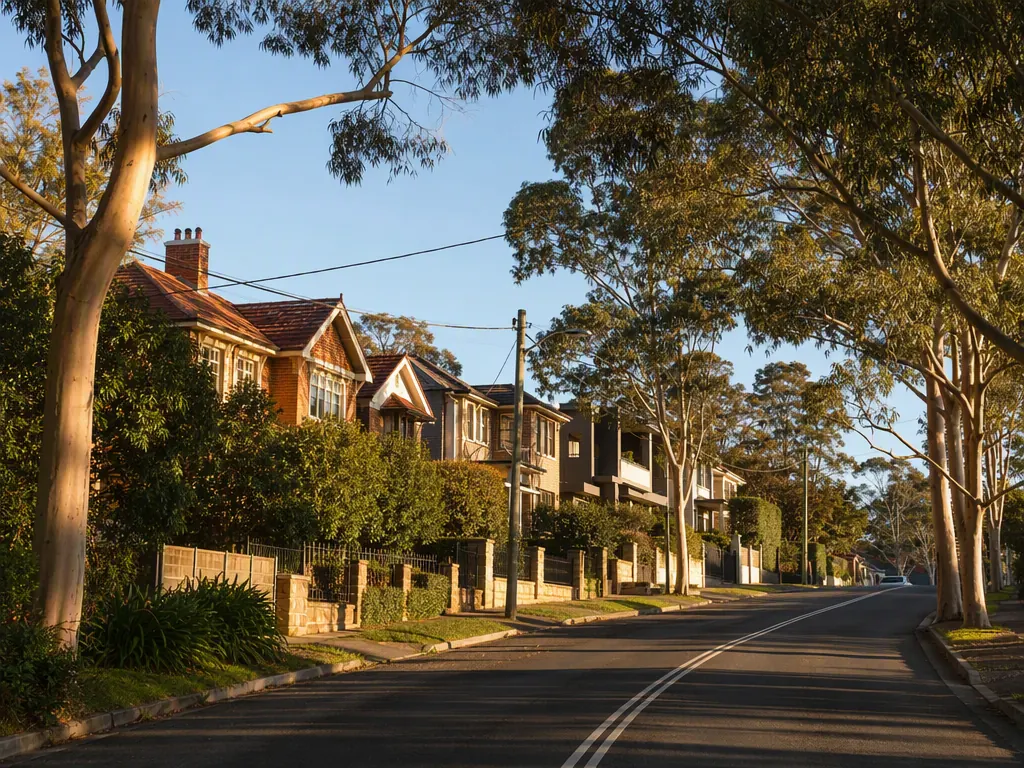
Hornsby has changed a great deal in the past twenty years. Where the town centre once had mostly low-rise shops and older walk-ups, there are now apartment towers along the railway line, new blocks along the Pacific Highway into Waitara, and a steady stream of people moving into units for the first time.
Apartment security is different from house security. You share entrances with your neighbours, your front door may be a fire door, and some decisions belong to the owners corporation rather than to you. This guide explains how unit security actually works and what you can do to improve it, whether you own or rent.
Layers of security in an apartment building
A typical apartment has several layers of access control, and it helps to understand who is responsible for each.
- The building entrance. A front door, often with an intercom, swipe fob or key. This is usually common property.
- Car park and secondary entrances. Garage doors, fire stairs, garbage rooms and bike stores. Also usually common property.
- Your unit door. The main lock on your own apartment. Usually the lot owner's responsibility, subject to bylaws.
- Balcony and sliding doors. Inside your unit, but often overlooked.
- Windows. Particularly on lower floors or where balconies connect.
Each layer matters. A secure unit door is undermined by a building door that is regularly propped open, and a strong building entrance does not help if your balcony door does not lock properly.
Your unit door
The front door of your apartment is the layer you have the most control over, and the one most worth getting right.
Fire-rated doors
In many apartment buildings, unit entry doors are fire-rated. That has two important consequences:
- The door must close and latch on its own. That is why so many unit doors have a door closer and a self-latching lock, and also why apartment lockouts are so common.
- Exit without a key is usually required. In an emergency, people must be able to leave quickly. Locks that need a key on the inside are generally not appropriate.
Fire doors also have rules about what can be cut into them and what hardware can be fitted. Drilling extra holes or fitting non-compliant hardware can compromise the door's fire rating. If you want to change the lock on a fire-rated unit door, check your strata bylaws and speak to the strata manager first, and use a locksmith who understands the constraints.
What a good unit door lock looks like
For most unit doors, a good arrangement is a quality lock that:
- latches automatically when the door closes;
- can be deadlocked from outside with a key when you leave;
- allows exit from inside without a key.
Many modern unit doors already have this, in the form of a mortice lock or a quality deadlatch. If yours is worn, sticky or keyed so that half the old residents might still have copies, the fix is often a rekey or a cylinder replacement rather than an entirely new lock. See our lock rekeying service.
Rekey when you move in
This is the single most valuable thing you can do for apartment security. Units change hands frequently, and in rentals the keys may have passed through several tenants, cleaners and agents. Rekeying your unit door, and the mailbox if possible, means only the keys you hold will work.
If you rent, you need the landlord's consent first in most situations. Our guide to landlord and tenant lock change rules explains the basics.
Strata rules: what you can and cannot change
In a strata scheme, the owners corporation manages common property and makes bylaws that bind owners and occupiers. Bylaws often cover:
- what hardware can be fitted to unit entry doors;
- whether keypad or smart locks are permitted;
- changes to fire doors;
- installation of security screens or grilles.
Before changing anything visible from the corridor, check the bylaws or ask the strata manager. It avoids being asked to undo work later.
Building entry doors, intercoms and fob systems are almost always common property. If they are faulty or not closing properly, report it to the building manager or strata manager. As a locksmith, we work on your unit door; we do not alter building entry systems without the owners corporation's authority.
Balcony and sliding doors
Sliding doors to balconies are one of the most overlooked parts of apartment security. Many people assume that being a few floors up makes them irrelevant. On lower floors, on podium levels next to landscaping, and where balconies are close together, that assumption does not hold.
Common problems:
- Sliding door latches that have worn and no longer engage firmly.
- Doors that can be lifted off their tracks when locked.
- Locks that were never used, with keys long since lost.
Fixes include repairing or replacing the latch, adjusting the door, and fitting an auxiliary lock that stops the door sliding. On ground-floor and podium apartments, this is often the most valuable upgrade available. Our window locks page covers sliding door auxiliary locks as well.
Windows
Lower-floor apartments and units with windows onto shared walkways benefit from keyed window locks or restrictors. Restrictors are also valuable for families with young children on upper floors, as they limit how far a window opens.
As always, think about exit in an emergency before fitting locks to windows that might be needed as a way out.
Mailboxes and storage cages
Mailbox locks are small, cheap and frequently forgotten. Mail theft can lead to identity theft, so a working mailbox lock with keys you control is worth having. Many can be rekeyed to match your unit door key, which also simplifies handovers.
Storage cages in basements are often secured with padlocks. A good-quality padlock with a shrouded shackle is a sensible improvement over a cheap one.
Apartment lockouts
Because unit doors latch automatically, apartment lockouts are among the most common calls we receive in Hornsby and Waitara. A few tips:
- Locked out of the building? Contact your building manager or a neighbour. Building access is not something a locksmith should override.
- Locked out of your unit? Call us on 02 4404 0445. We will need reasonable proof that you live there.
- Renting? Your agent may hold a spare key during business hours.
Our lockout service page explains how we handle unit lockouts, including fire-rated doors.
A quick apartment security checklist
- Rekey your unit door when you move in.
- Check the door closes and latches on its own every time.
- Make sure you can exit without a key.
- Test your balcony door lock and consider an auxiliary lock on lower floors.
- Fit window locks or restrictors where appropriate.
- Rekey or replace the mailbox lock.
- Never prop open building doors, and report faulty ones.
- Keep a spare key with someone you trust nearby.
Older walk-ups versus new towers
Not every Hornsby apartment is a new tower. Many of the three-storey walk-ups built in the 1960s and 1970s near the station and along the side streets of Waitara are still home to thousands of residents, and they have very different hardware from newer buildings.
Older walk-ups often have solid timber unit doors with a rim deadlatch, sometimes with a separate deadlock added later. The building entrance may have a simple lock or no lock at all. Hardware in these buildings has often been replaced piecemeal over decades, so it is common to find a mix of brands and key types on the same floor. The biggest improvements here are usually a quality deadlatch that engages properly, a correctly aligned strike plate fixed into solid timber, and rekeying so that the keys are under your control.
Newer towers usually have fire-rated doors with mortice locks, door closers and swipe or fob access to the building and lifts. The unit door hardware is generally better, but the rules about what you can change are stricter. Here the improvements are more often about rekeying, servicing a lock that has started to bind as the building settles, and dealing with balcony doors.
Mid-size blocks from the 1990s and 2000s sit between the two. They often have reasonable unit doors but ageing sliding doors and windows, which are worth checking.
Signs your unit door lock needs attention
Apartment doors are opened and closed many times a day, and their locks wear faster than most people expect. Watch for these signs:
- The door does not latch every time it closes. On a fire door this is a safety issue as well as a security one. It usually means the closer needs adjusting or the strike is out of line.
- The key needs jiggling. A worn cylinder or worn key. A new key cut to the original code, or a rekey, often fixes it.
- The deadlock only throws if you push or pull the door. The bolt is catching on the strike. An adjustment usually solves it. See our lock repair service.
- The handle has gone loose or droops. Internal springs or fixings have worn.
- You do not know how many keys exist. Not a mechanical fault, but a good reason to rekey.
Dealing with these early is far cheaper than dealing with a lockout or a lock that fails completely.
Owners versus renters
If you own your apartment, you can generally rekey or repair your unit door lock yourself, subject to the bylaws and any fire door requirements. If you rent, the lock belongs to the landlord, and most changes need consent. In both cases, keep the strata manager informed of anything that affects common property or the appearance of the corridor.
Getting help with your apartment
Locksmith Hornsby Service works on unit doors, balcony doors, windows and mailboxes across Hornsby and nearby suburbs, from our base at 14 Hunter St, Hornsby NSW 2077. We are open 7 days, 7:00am to 12:00am.
Call 02 4404 0445 or request a quote online. You can also read more on our residential locksmith and security locksmith pages, or find local information on our Hornsby suburb page.
- apartment security
- unit locks
- strata
- Hornsby
Talk to a Hornsby locksmith
Call 02 4404 0445 (open 7 days, 7:00am – 12:00am) or request a quote online.