Property types
Heritage Door Locksmith: Caring for Older Locks
How to keep original mortice and rim locks working on Federation and interwar doors in Hornsby and Wahroonga, and when sympathetic replacement makes more…
· 7 min read · By Locksmith Hornsby Service
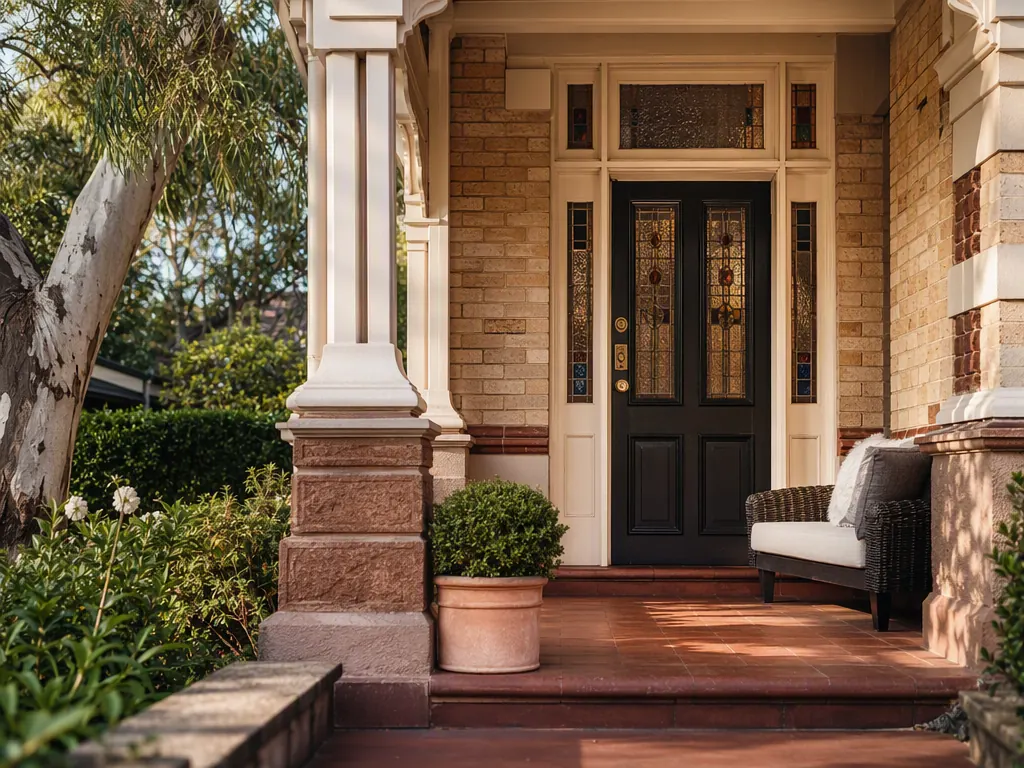
Walk along the older streets of Hornsby and Wahroonga and you will see front doors that have been opening and closing for a century. Solid timber panels, leadlight sidelights, brass knobs worn smooth by generations of hands, and locks that were fitted long before anyone alive today was born. These doors are part of what makes the area special. They are also some of the most rewarding, and most easily damaged, doors a locksmith works on.
This guide explains how older locks work, how to keep them going, when replacement genuinely makes sense, and how to improve security without harming the character of the door.
The locks you find on older doors
Mortice locks
A mortice lock sits inside a pocket, the mortice, cut into the edge of the door. Only the face plate on the edge, the keyhole and the handle spindle are visible. Older mortice locks often use lever mechanisms and a warded or lever key rather than the small pin-tumbler keys most people carry today. They are robust, and many original examples are still working perfectly after decades.
Rim locks
A rim lock is fixed to the inside face of the door, with its keeper on the frame. Many older homes have a rim lock as the main front door lock, and many had a rim deadlatch added later for extra security. Rim locks are easy to identify: you can see the whole lock body on the inside of the door.
Later additions
Over the years, owners have often added deadlocks, deadlatches and security screen doors. It is common to find three or four generations of hardware on one Federation front door, each fitted by a different person to a different standard.
Why older doors need a careful approach
A modern door can be replaced from a catalogue. An original Federation or interwar door often cannot. The timber, panel profiles, glass and joinery are part of the home's history, and in heritage conservation areas, changes may be subject to local planning controls.
That changes how a locksmith should work:
- Cut as little as possible. Every new hole weakens old timber and is visible forever.
- Reuse existing preparation. Choose replacement hardware that fits the existing mortice or the existing screw holes.
- Service before replacing. Many original locks only need cleaning, adjustment, new springs or a new key.
- Respect the look. Where new hardware is needed, choose finishes and forms that suit the door.
Servicing original locks
Most original mortice and rim locks that "do not work any more" are suffering from one of a few problems.
Dirt and old lubricant. Decades of oil collect dust and turn into a thick paste. Cleaning the mechanism and lubricating it properly often restores smooth operation.
Worn or broken springs. Lever springs fatigue over time. Replacement springs are often available or can be made to suit.
Worn keys. An original key that has been copied many times may barely operate the lock. A new key cut to suit the lock usually makes a dramatic difference.
Door movement. Old timber doors move with the seasons, and houses settle. When the bolt no longer lines up with the keeper, the lock seems faulty. Adjusting the keeper or strike is often the whole fix.
Servicing keeps the original hardware in place, preserves the look of the door and usually costs less than replacement. Our lock repair page explains how we approach this kind of work.
When replacement makes sense
Original hardware is not always worth keeping. Replacement is the better choice when:
- the lock has been forced and the body is cracked or bent;
- essential parts are missing and cannot be sourced or made;
- the lock offers very limited security, such as a simple warded lock that many keys will open;
- the household needs something the original cannot provide, such as a reliable deadlocking function.
When we replace a lock on an older door, we look for hardware that fits the existing mortice or footprint so the door is not cut further. Where that is not possible, adaptor plates can cover old holes neatly. If a larger cut is genuinely needed for a much better lock, we explain the trade-off first. Our lock replacement page covers this in more detail.
Improving security without spoiling the door
Owners of older homes often worry that better security means ugly hardware. It does not have to.
Fix the strike first. On many old doors, the keeper or strike is held by short screws into old, dry timber. Refixing it with longer screws into sound framing is invisible and very effective.
Add a discreet deadlock. A compact deadlock above the original lock adds a strong second locking point. Finishes are available to suit traditional hardware.
Service the original lock. A well-maintained original lock plus a quality deadlock is often the best combination of security and character.
Look at the sidelights. Leadlight or glass panels beside the door can be a weakness if a lock can be reached by breaking the glass. That needs careful thought about the type of lock and safe exit.
Do not forget French doors. Many older homes have French doors to verandahs and gardens, secured only by small bolts. These are often the real weak point. Our security locksmith service includes checking every entry point.
Safe exit and older homes
Some owners fit double-cylinder deadlocks to doors with glass panels so a key is needed on the inside. That reduces one risk but creates another: in a fire, someone may not be able to get out. Older homes are often timber-framed with fewer exits than modern houses, which makes this decision more important. We talk through who lives in the home and where keys will be kept before recommending any lock that needs a key from inside.
Keys for older locks
Original lever and warded keys are often larger and less common than modern keys. Many hardware stores cannot copy them. A locksmith can usually cut new keys to suit, or rekey or re-lever the lock where that is practical.
If you have a mix of old and new locks and would like fewer keys, ask whether the newer cylinders can be keyed alike. The original mortice lock will usually keep its own key, but the other locks can often share one. See lock rekeying.
Heritage conservation areas
Parts of Wahroonga and Hornsby sit within heritage conservation areas, and some homes are individually listed. Rules vary, and minor maintenance such as lock servicing is generally treated very differently from changes to the appearance of a front facade. If you are planning visible changes to an original door, such as new hardware on the street face or a security screen, check with Hornsby Shire Council or Ku-ring-gai Council, depending on your address, before going ahead.
Signs your older lock needs attention
- The key turns stiffly or only at a certain angle.
- The bolt does not throw fully, or only when you push the door.
- The handle feels loose or droops.
- The original key is badly worn or bent.
- The keeper on the frame has moved or loosened.
- You find yourself relying on a bolt instead of the lock.
Dealing with these early is easier on the lock and the door.
A typical heritage door visit
On a typical visit to a Federation home, we:
- Look at the door, frame and every piece of hardware on it.
- Test the original lock and any later additions.
- Explain what can be serviced, what should be replaced and what is fine.
- Agree the plan and price with you.
- Carry out the work, cutting nothing that does not need cutting.
- Test everything with you and hand over new keys.
Caring for your old locks between visits
- Use a dry graphite or lock-specific lubricant sparingly, never household oil.
- Do not force a stiff key; it is a symptom, not a fault to push through.
- Keep the door aligned: tighten hinge screws when they work loose.
- Replace badly worn keys before they break.
Security screen doors on older homes
Many older homes in Hornsby and Wahroonga had security screen doors added in the 1980s and 1990s. Some suit the house; others hide a beautiful original door behind heavy mesh. If you are replacing or adding a screen door, consider a slimmer frame and a lock that can be keyed to match your other locks. If you are removing one to reveal the original door, make sure the original door and its locks are up to the job first.
Common questions about older locks
Can old keys still be cut? Usually, yes. Lever and warded keys are cut differently from modern keys, which is why many key-cutting kiosks cannot copy them. A locksmith can cut them to suit the lock.
Is an original mortice lock secure enough? Some are; some are not. A good-quality lever mortice lock in sound condition can be perfectly serviceable, especially paired with a deadlock. A simple warded lock that many keys will open is not adequate on its own.
Will a new lock lower the value of a heritage home? Sympathetic hardware that fits the existing preparation does not. Large new cut-outs, mismatched finishes and damaged timber can.
Keeping a record of your hardware
For owners of older homes, a simple record of the door hardware is surprisingly useful: photos of each lock, notes on which keys fit which doors, and the invoices for any servicing or replacement. It helps future repairs match the original, makes insurance claims simpler after a break-in, and is valuable information to pass on if you ever sell.
Getting help with an older door
Locksmith Hornsby Service is based at 14 Hunter St, Hornsby NSW 2077, and works on older homes across Hornsby, Wahroonga, Normanhurst and nearby suburbs. We are open 7 days, 7:00am to 12:00am. Call 02 4404 0445 or request a quote online, and send photos of the door and lock if you can. You can also read about our residential locksmith service.
- heritage doors
- mortice locks
- Federation homes
- Wahroonga
Talk to a Hornsby locksmith
Call 02 4404 0445 (open 7 days, 7:00am – 12:00am) or request a quote online.