Comparisons
Moving House? A Lock and Key Checklist for NSW
The lock and key jobs to do in your first week in a new home: rekeying, keying alike, checking back doors, sliding doors, windows, garages and mailboxes.
· 7 min read · By Locksmith Hornsby Service
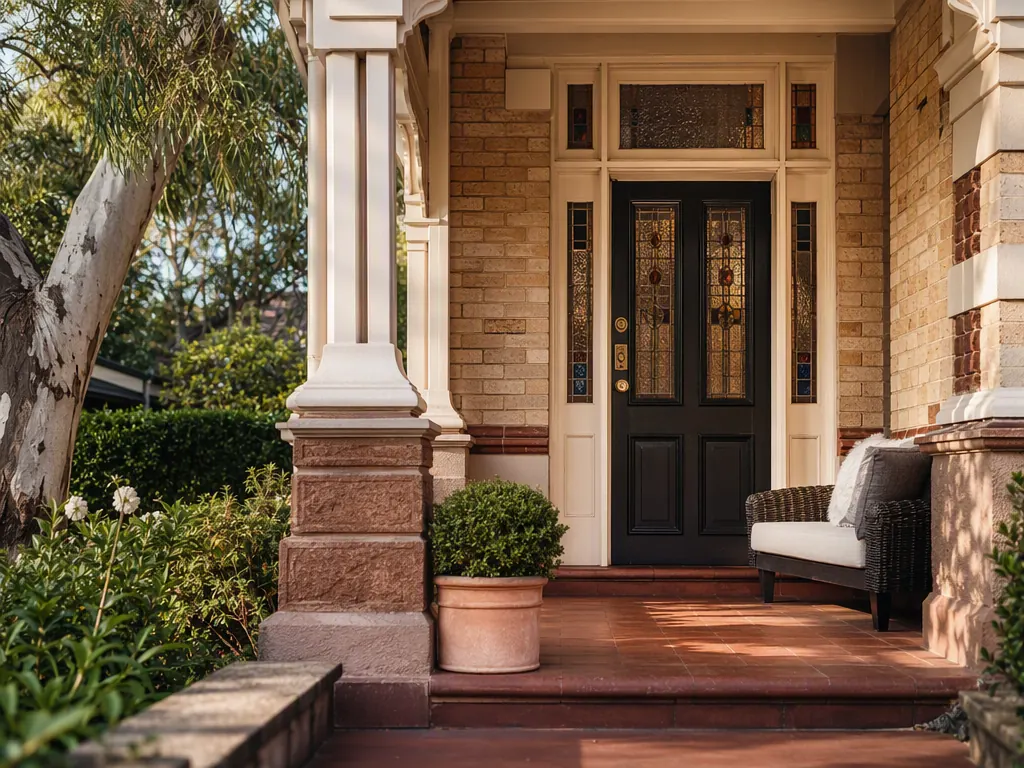
Moving into a new home involves a long list of jobs: connecting utilities, updating your address, finding the kettle. Locks and keys are easy to leave until later, but they belong near the top of the list. You have no way of knowing how many keys to your new home exist, or who holds them.
This checklist walks through the lock and key jobs worth doing in your first week, room by room and door by door. It applies whether you have bought or are renting, with a few differences for renters that we cover along the way.
Why the first week matters
When you receive the keys to a new home, you are usually given a handful of keys and told they are all there is. In reality, keys to a home accumulate over years:
- previous owners and their family members;
- tenants, if the home was ever rented;
- real estate agents and property managers;
- cleaners, dog walkers and carers;
- tradespeople given access during renovations;
- neighbours trusted with a spare.
Most of these people are honest, and most of those keys are long forgotten in drawers. But you cannot know which ones. Resetting the locks early removes the question entirely.
Step 1: make a list of every lock
Before you call anyone, walk around the property and note every lock that takes a key:
- front door (often a deadlock plus a handle, or a deadlatch);
- back door and laundry door;
- security screen doors;
- sliding doors to decks and patios;
- internal door from the garage;
- garage personnel door and roller door;
- side gates;
- windows with keyed locks;
- mailbox;
- sheds and outbuildings.
This list makes the next steps faster and the quote more accurate.
Step 2: rekey the external locks
For most homes, the most valuable single step is rekeying every external lock. Rekeying changes the internal combination of each cylinder so old keys no longer work, without replacing the hardware. It is usually quicker and cheaper than buying new locks.
If any lock is worn, damaged or poor quality, replacing it may be the better choice. A locksmith should tell you which locks fall into which category. Our guide Rekey or Replace Locks? How to Decide explains the decision, and our lock rekeying page explains the process.
Step 3: ask for one key
While the locks are being rekeyed, ask whether they can all work from one key. If the cylinders are compatible, keying alike is straightforward and turns a bunch of mismatched keys into one. Screen doors, garage personnel doors and some window locks can often be included.
Step 4: check the back and side doors
New owners tend to focus on the front door, but back and side doors are often weaker and out of sight. Check that:
- each external door has a proper deadlock, not just a latch;
- the deadlock throws fully without pushing or lifting the door;
- strike plates are firmly fixed.
If a back or laundry door has only a passage latch, adding a deadlock is one of the most effective upgrades you can make. See door lock installation.
Step 5: test the sliding doors
Aluminium sliding doors are on most homes in suburbs like Normanhurst and Asquith. Their latches wear, and some doors can be lifted off their tracks. Check that the latch engages firmly and that the door cannot be lifted when locked. An auxiliary lock is a simple improvement if it does not.
Step 6: check the windows
Ground-floor windows, especially at the back and sides, should lock. Many homes have window locks that were fitted but never used, with keys long lost. Find the keys, or have the locks rekeyed or replaced. For upper floors with young children, consider restrictors. Our window locks page covers the options.
Step 7: the garage
The internal door from the garage into the house is one of the most overlooked weak points. If the garage door is left open, or the remote is lost or stolen, that internal door is all that stands between the street and your hallway. It deserves a deadlock.
Also:
- reset or reprogram garage remotes if possible;
- ask whether the previous owner has any spare remotes;
- check the roller door locks properly from inside.
Step 8: the mailbox
Mailbox locks are small and cheap, but mail theft can lead to identity theft. Rekey or replace the mailbox lock, and if you are in a unit block, check how mailbox keys are managed.
Step 9: alarm codes and smart devices
If the home has an alarm, keypad lock or smart lock, change every code and reset the device to remove previous users. Check whether any app accounts are still linked to the previous owner.
Step 10: keep track of your new keys
After rekeying, record how many keys exist and who holds them. Give a spare to someone you trust nearby, and avoid hiding a key under the mat or in an obvious spot.
If you are renting
Renters should not change or add locks without the landlord's consent, except in specific circumstances under NSW law. If you are concerned about who might hold keys, ask your agent whether the locks were rekeyed between tenancies, and request it in writing if not. Our guide to landlord and tenant lock change rules in NSW explains the basics.
If you are moving into a unit
In a strata building, your unit door is usually your responsibility, but building entry systems are common property. Check your bylaws before changing visible hardware, particularly on fire-rated doors. Our guide to apartment security covers this in detail.
How long does it take?
For a typical house with four to six external locks, rekeying and keying alike can usually be done in a single visit. Adding a deadlock or repairing a sliding door adds a little time. Planning it as one visit is usually more efficient than several separate call-outs.
What it costs
Costs depend on the number of locks, their type and condition, and whether any need replacing. Our guide How Much Does Lock Rekeying Cost in Sydney? explains the factors. We always agree the price with you before starting.
Common mistakes new owners make
Waiting until something goes wrong. Many people plan to rekey "once we have settled in", and months later still have not. The keys from before you arrived do not expire.
Rekeying only the front door. If the back door, screen doors and garage door still work with the old keys, the job is only partly done.
Buying new locks for every door. If the existing locks are sound, rekeying gives the same result for much less. Save new hardware for the doors that actually need it.
Ignoring the garage remote. A lost or retained remote opens the garage, and from there the internal door is often the only barrier.
Leaving window keys in the windows. A key left in a window lock offers no security. Keep window keys somewhere central and out of sight.
Fitting key-only deadlocks everywhere. In a home with children or older relatives, a lock that needs a key on the inside can be dangerous in a fire. Choose locks that let people out quickly.
What to ask the previous owner or agent
Before settlement, or on handover day, it is worth asking:
- How many keys exist for each lock, and are they all being handed over?
- Are there any window lock keys, and where are they?
- How many garage remotes are there?
- Is there an alarm, and what are the codes and the monitoring arrangements?
- Have the locks been rekeyed recently, and by whom?
- Are any locks known to be stiff or faulty?
The answers will not always be complete, which is exactly why rekeying is so worthwhile. But they help you plan the visit and spot anything the locksmith should look at.
A note on older homes
If your new home is a Federation or interwar house, some of the original locks may be worth servicing rather than replacing, and the doors themselves may be irreplaceable. Our guide to heritage door locksmithing explains how to approach older hardware without damaging it.
Spare keys and key safes
Once your locks are reset, decide deliberately where spare keys live. A spare with a trusted neighbour or nearby family member is the simplest option. If you use a key safe for carers, cleaners or tradespeople, choose a quality model, mount it somewhere discreet rather than beside the front door, and change the code whenever an arrangement ends. Never label keys with your address, and avoid hiding a key under a mat, pot plant or fake rock, which are the first places anyone looks.
When to book the visit
The ideal time is the day you get the keys, before furniture and boxes make doors hard to reach. If that is not possible, book within the first week. If you are moving from a rental, remember that the locks at your old address are no longer your concern once the keys are returned, but your new home's locks are your responsibility from settlement day.
The checklist in brief
- List every lock that takes a key.
- Rekey all external locks.
- Key them alike where possible.
- Add deadlocks where there are only latches.
- Check sliding doors latch and cannot be lifted.
- Lock ground-floor windows.
- Secure the internal garage door and reset remotes.
- Rekey the mailbox.
- Change alarm and smart lock codes.
- Record your keys and keep a spare with someone you trust.
Book your move-in rekey
Locksmith Hornsby Service helps new owners and tenants across Hornsby, Waitara, Wahroonga, Asquith, Normanhurst and Berowra. We are based at 14 Hunter St, Hornsby NSW 2077, and open 7 days, 7:00am to 12:00am. Call 02 4404 0445 or request a quote online with your list of locks, and we will come back to you with a clear price. See also our residential locksmith service.
- moving house
- rekeying
- new home security
- checklist
Talk to a Hornsby locksmith
Call 02 4404 0445 (open 7 days, 7:00am – 12:00am) or request a quote online.